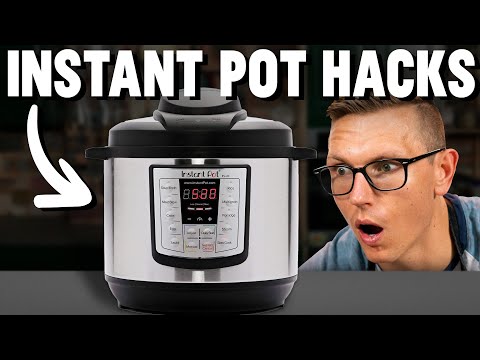
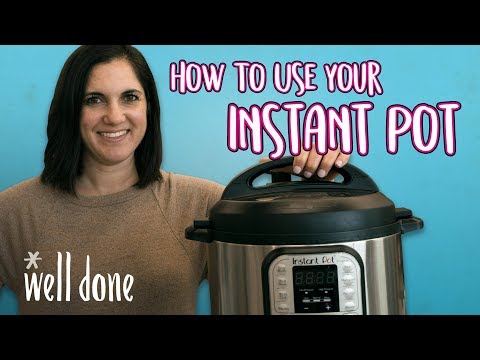
The instant pot has become a kitchen essential for many home cooks. This versatile appliance allows you to quickly and easily cook a variety of meals, from soups and stews to rice and beans. One of the most important aspects of using an instant pot is understanding the different release methods: natural release and quick release. In this article, we will explore these two methods in detail and guide you on when to use each one.
Natural release, also known as a natural pressure release (NPR), refers to letting the pressure inside the instant pot reduce naturally without any intervention from you. After cooking your meal, you simply turn off the instant pot and leave it sealed. This process typically takes anywhere from 10 to 30 minutes, depending on the quantity of food being cooked. During this time, the pressure gradually decreases as the temperature inside the pot begins to drop.
Natural release is recommended for foods that are delicate or foods with higher starch content such as grains or beans. When these types of foods are subjected to a quick release of pressure, they tend to foam up and may expand rapidly, possibly causing them to clog vents or even spray out from under the lid once opened. Natural release prevents this from happening by allowing your food to slowly return to normal pressure before opening.
So when do you use a quick release? Well, a quick release (QR) is ideal for meals that require immediate cessation of cooking or when you don’t want your food to keep cooking in residual heat. After your food has finished cooking, carefully move the venting knob from sealing position to venting position using a long utensil like tongs or oven mitts – never use your hands directly! The steam will be forcefully expelled with a hissing sound until all pressure has been released inside the pot. This process usually takes just a few minutes.
Quick releasing is commonly used with recipes where overcooking could result in mushy vegetables or meat that is too tender. It’s also beneficial when you’re short on time and need to move on with the next steps of your recipe without waiting for the pressure to naturally release.
Remember, safety is key when using an instant pot. Always read the manufacturer’s instructions and take necessary precautions by following the recommended techniques for natural and quick pressure releases.
In conclusion, knowing how and when to use natural release or quick release on your instant pot can greatly enhance your cooking experience. Natural release preserves delicate textures and prevents food from spewing out due to rapid pressure changes, while quick release allows for immediate termination of cooking, especially when maintaining the right texture is crucial. With practice, you will become more comfortable using both methods, allowing you to make perfectly cooked meals with ease every time you use your instant pot.